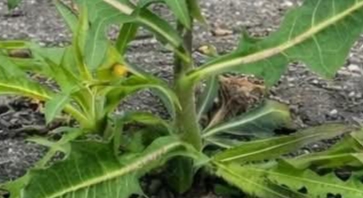
Many people searching for natural ways to unwind or ease everyday discomfort feel stuck between strong medications and remedies that seem ineffective or confusing. This frustration often grows when modern solutions feel too harsh, expensive, or disconnected from nature. The good news is that traditional plant-based knowledge has preserved gentler habits for centuries—and wild lettuce sap is one of the most intriguing examples, with a surprising detail about its preparation that most people overlook until the very end.Understanding Wild Lettuce and Its Traditional RoleWild lettuce, scientifically known as Lactuca virosa, is a tall, hardy plant commonly found in open fields, roadsides, and disturbed soils across Europe, Asia, and North America. It has been referenced in historical herbal texts for hundreds of years, particularly in folk traditions that emphasized balance, rest, and comfort rather than aggressive intervention.But here’s where things get interesting.Unlike cultivated lettuce, wild lettuce produces a milky white substance when its stem or leaves are cut. This substance, known as lactucarium, is what has drawn the attention of herbalists across generations.What Is Lactucarium?Lactucarium is the dried sap of wild lettuce. Historically, it was valued for its calming properties and its role in traditional wellness routines designed to support relaxation.Important clarification:Lactucarium does not contain opiates and is not chemically related to opioids, despite the plant’s old nickname “opium lettuce.” This distinction is critical for safety and accuracy.Research into wild lettuce focuses mainly on its naturally occurring bitter compounds and plant lactones, which interact with the body in subtle ways. Modern science views it as a plant-based compound of interest, not a medication.How to Identify Wild Lettuce in NatureBefore discussing collection, correct identification is essential. Many plants resemble wild lettuce, and mistakes can be risky.Key Characteristics of Wild LettuceGrows up to 6 feet tall when matureLeaves are long, spiky, and blue-greenLeaves often have a distinctive row of small spines along the underside midribProduces yellow dandelion-like flowersWhen cut, releases a milky white sap from the stemBut that’s not all.Wild lettuce typically thrives in areas where soil has been disturbed, such as construction sites, fence lines, and abandoned lots. Mature plants produce significantly more sap than young plants.How to Collect Wild Lettuce Sap Safely and TraditionallyCollecting wild lettuce sap requires patience and respect for the plant. Traditional methods focus on slow extraction rather than force.Step-by-Step Sap Collection ProcessStep 1: Choose the Right TimeLate summer, when the plant is mature and flowering, is considered ideal. Sap production is highest during this stage.Step 2: Make Clean CutsUsing a clean knife, cut the stem near the base. Milky sap will begin to ooze within seconds.Step 3: Collect the SapUse a spoon or scrape the sap onto a glass or ceramic surface. Avoid plastic if possible, as traditional collectors preferred non-reactive materials.Step 4: Repeat GraduallyAfter the sap flow slows, make another cut slightly higher on the stem. This process can be repeated several times over a day.Step 5: Allow Natural DryingLet the collected sap air-dry. It will darken into a brownish resin as moisture evaporates.Step 6: Proper StorageOnce dried, store the resin in an airtight container away from heat, light, and moisture.Here is the most interesting part:Traditionally, collectors never rushed this process. Slow drying was believed to preserve the plant’s natural balance.Traditional Uses of Wild Lettuce SapWild lettuce sap has appeared in historical records mainly as part of supportive wellness habits, not as a cure or treatment.Common Traditional UsesSupporting relaxation during periods of restPromoting calm before sleep routinesHelping ease occasional physical tensionUsed historically in cough-related herbal blendsSupporting a general sense of comfort and easeResearch shows that many traditional herbs used for relaxation work through mild nervous system interaction rather than sedation. This aligns with how wild lettuce sap has been described historically.But that’s not all.Unlike stronger botanical substances, wild lettuce was often chosen specifically because it was considered gentler when used carefully.Common Ways Wild Lettuce Is PreparedDifferent cultures developed different preparation habits depending on availability and purpose.1. Tincture Preparation (Traditional Method)A tincture allows very small amounts to be diluted over time.Basic method:Combine dried sap with alcohol (such as vodka) in a glass jarStore in a dark place for 2–4 weeksShake occasionallyStrain and store in a dropper bottlePeople traditionally began with extremely small amounts diluted in water.2. Leaf Tea (Not Using the Sap)This is a milder approach and more suitable for beginners.Preparation steps:Use dried wild lettuce leavesSteep 1–2 teaspoons in hot water for 10–15 minutesConsume as part of an evening routineThe truth is, most traditional use focused on the leaves rather than the sap itself.3. External Application TraditionsSome cultures mixed diluted sap with carrier oils for topical use on areas of tension.Important note:External use avoided broken or sensitive skin.Safety Considerations You Should Never IgnoreNatural does not automatically mean risk-free.Important Safety GuidelinesUse extremely small amounts if exploring traditional methodsOveruse has been associated with nausea, dizziness, or discomfortAvoid combining with alcohol or sedative substancesNot suitable for children or during pregnancyIndividuals with existing health conditions should avoid use without professional guidanceResearch consistently emphasizes caution when working with concentrated plant resins.But here’s the key takeaway:Most historical problems occurred when people ignored moderation.Actionable Tips for Beginners Interested in Herbal LearningIf you’re curious but cautious, these steps can help you explore responsibly.Practical Beginner TipsStart by learning plant identification thoroughly before harvestingPractice with leaf-based preparations first, not sapKeep a simple journal noting plant source, preparation method, and personal responseNever mix multiple new herbs at onceConsult a qualified herbalist or healthcare professionalThis approach aligns with how traditional knowledge was passed down—slowly, carefully, and with observation.ConclusionWild lettuce sap holds a fascinating place in traditional plant knowledge, valued more for its gentle support than for dramatic effects. When approached with respect, education, and moderation, it offers insight into how earlier generations worked with nature to support rest and comfort. The most surprising lesson may be that patience—not potency—was always considered the most important ingredient.Frequently Asked Questions (FAQ)1. Is wild lettuce sap the same as opium?No. Wild lettuce sap contains no opiates and is not chemically related to opium.2. Can wild lettuce sap replace medication?No. It is not a medical treatment and should never replace prescribed care.3. Is wild lettuce legal to collect?This depends on local regulations and land ownership. Always check laws before harvesting plants.Medical DisclaimerThis article is for informational and educational purposes only. It does not provide medical advice, diagnosis, or treatment. Wild lettuce and its sap are not approved medical therapies. Always consult a qualified healthcare professional before using herbal products, especially if you are pregnant, nursing, have a medical condition, or take medications.
The Power of Wild Lettuce Sap: A Practical Guide to Traditional Uses, Collection Habits, and Safety Awareness